
Local History
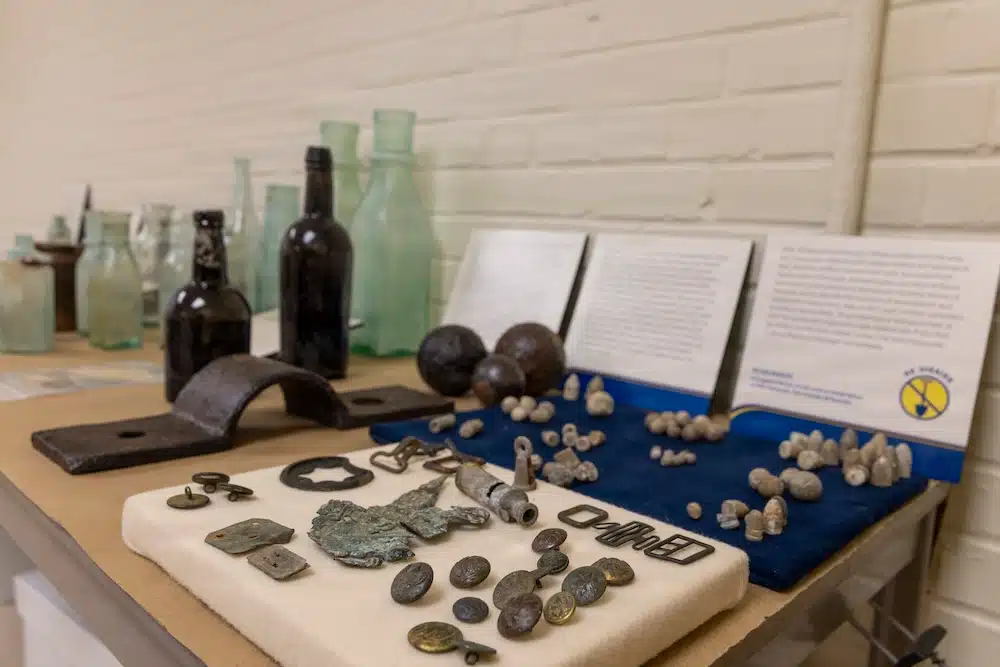
Naval Air Station Pensacola has spent decades as the keeper of thousands of artifacts dug up from its own grounds. On Aug. 12, that job passed to someone else.
- Volunteers from NAS Pensacola and the University of Georgia loaded more than 900 boxes of archaeological artifacts and records onto trucks bound for UGA, where the collection will be permanently curated. The base’s Public Works Department and its Cultural Resources Manager, Carrie Williams-Hannah, spearheaded the move and secured funding to fix long-standing deficiencies in the installation’s previous curation program.
“Maintaining the artifact collection is about preserving institutional history, protecting cultural and scientific heritage, supporting research and scholarship, maintaining provenience and context, educating the public, supporting the Navy’s mission, preserving information for future generations, demonstrating responsible stewardship and protecting against loss of knowledge,” Williams-Hannah said.
What’s in the boxes: The transferred materials include excavated remains gathered during archaeological surveys and studies of prehistoric and historic resources on the installation, along with the associated records. Extra copies of investigation reports and documentation will also be scanned for electronic access.
- UGA’s team made a site visit back in April to inspect the collection and plan for its transport before the actual load-out this month.
Why the move matters
The permanent transfer brings NAS Pensacola into full compliance with federal regulations governing the curation of archaeological collections owned or administered by the government. Williams-Hannah said the payoff goes beyond checking a compliance box.
- A full database of every artifact recovered from NAS Pensacola, including which items need stabilization or conservation
- Easier access to collection data for management and research purposes
- Artifacts relocated farther inland, out of the path of hurricanes and other severe weather
“This contract will also provide the Navy with a database of all artifacts recovered from NAS Pensacola which will advise the Navy of all items in the collection, provide information on artifacts requiring stabilization and/or conservation, and render the data more accessible for management and research,” Williams-Hannah explained.
Source: Naval Air Station Pensacola / story by Chief Petty Officer Ian Cotter, via DVIDS.