On Tuesday night, Pensacola’s new curbside recycling program took center stage at the District 1 Town Hall held at the Vickrey Resource Center, where Mayor D.C. Reeves and Councilwoman Jennifer Brahier addressed frustrated residents about recent service changes and communication failures.
A Rocky Start
The meeting began with Mayor Reeves acknowledging what he called a “messaging issue” that fell short of his administration’s standards. The city had transitioned from a recycling system plagued by 50% contamination rates to a new opt-in program, but residents were caught off guard by schedule changes and service disruptions.
- “We had a messaging issue and that was certainly not up to my standard,” Reeves admitted. “We can’t expect that just saying something at press conferences or just something in a piece of mail is going to get to folks.”
The communication breakdown was evident in the numbers: since July 14th alone, the city had logged over 300 hours of overtime responding to missed pickups and service calls.
The Numbers
Daryl Singleton, Director of Pensacola Energy and Sanitation, provided encouraging updates on the program’s early performance. On the town hall date, the city had:
– Collected 3,780 pounds of recycling from approximately 1,800 signed-up residents
– Delivered their first 4,000-pound load to the ECUA materials recovery facility (MURF)
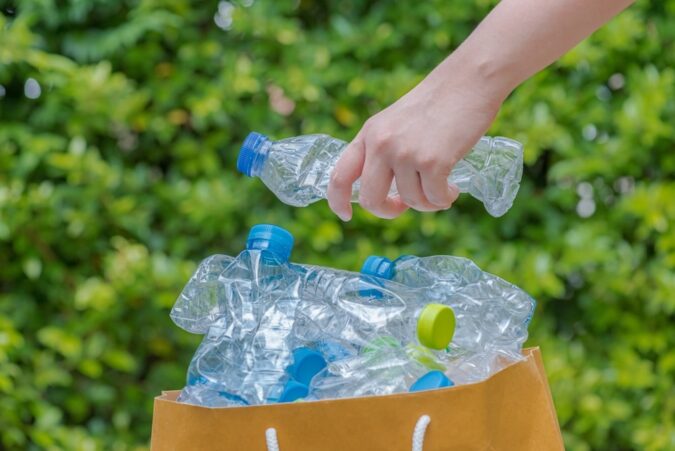
– Achieved contamination levels well below the 20% threshold, with only a garden hose and truck receiver hitch found among recyclables
“Everybody did an excellent job, and they were very thankful for our clean sanitation,” Singleton reported about the MRF (multi re-use facility) delivery.
To put this in perspective, the city’s previous drop-off recycling location typically collected only 600-700 pounds on a good day, making the 4,000-pound delivery a significant improvement in both volume and quality.
Glass Confusion
One major point of confusion addressed was whether glass should be included in curbside recycling. Mayor Reeves clarified that the city’s program accepts only four core materials, despite ECUA’s website listing glass as acceptable.
- “There is no market for glass from a resale standpoint,” Reeves explained. The discrepancy exists because ECUA serves both city and county residents, but the city’s contract specifically focuses on materials with viable markets to help offset program costs.
The city will ask ECUA to clarify its website messaging to reduce confusion, while maintaining its focus on the four core recyclable materials that have consistent market value.
Service Disruptions
Several residents reported missed pickups and confusion about new schedules. The city has implemented several measures to address these issues:
- Proactive Route Monitoring: Supervisors now drive routes daily looking for full cans that may have been missed, regardless of the designated pickup day
- GPS and Camera Tracking: All trucks are equipped with GPS and cameras, allowing supervisors to verify routes and identify missed areas instantly
- Temporary Grace Period: The city is currently picking up cans even when they’re out on wrong days while residents adjust to new schedules
“We’re going to ride around and check cans,” Singleton explained. “If you see somebody out opening a lid on your garbage can looking at it, we’re just checking to see if they’re full.”
The Bigger Picture: Why the Change?
The transition stems from the previous recycling system’s failure, where contamination rates reached 50% because participation was mandatory regardless of residents’ commitment to proper sorting. Oil, truck hitches, and other non-recyclables regularly ended up in recycling bins.
- “Everybody was forced to recycle whether they wanted to or not,” Reeves noted. “So we had lots of truck hitches and we had lots of oil going into those cans because it was either weight on another trash can or throw it in the can.”
The new opt-in system, funded through partnerships with organizations like the Recycling Partnership (supported by companies like Coca-Cola and Pepsi), focuses on residents who are genuinely committed to proper recycling practices.
Moving Forward
Despite the rocky start, city officials expressed optimism about the program’s trajectory. Daily signups continue, and contamination rates remain low. The city plans to maintain permanent drop-off recycling bins at Summit Boulevard while expanding the curbside program.
- For residents experiencing service issues, the city strongly encourages using the 311 system rather than calling the sanitation department directly, which has been overwhelmed with 7,170 calls since January compared to only 874 311 reports.
As Mayor Reeves concluded, “We are not questioning folks or saying wait as long as you can. We are getting out there.”