
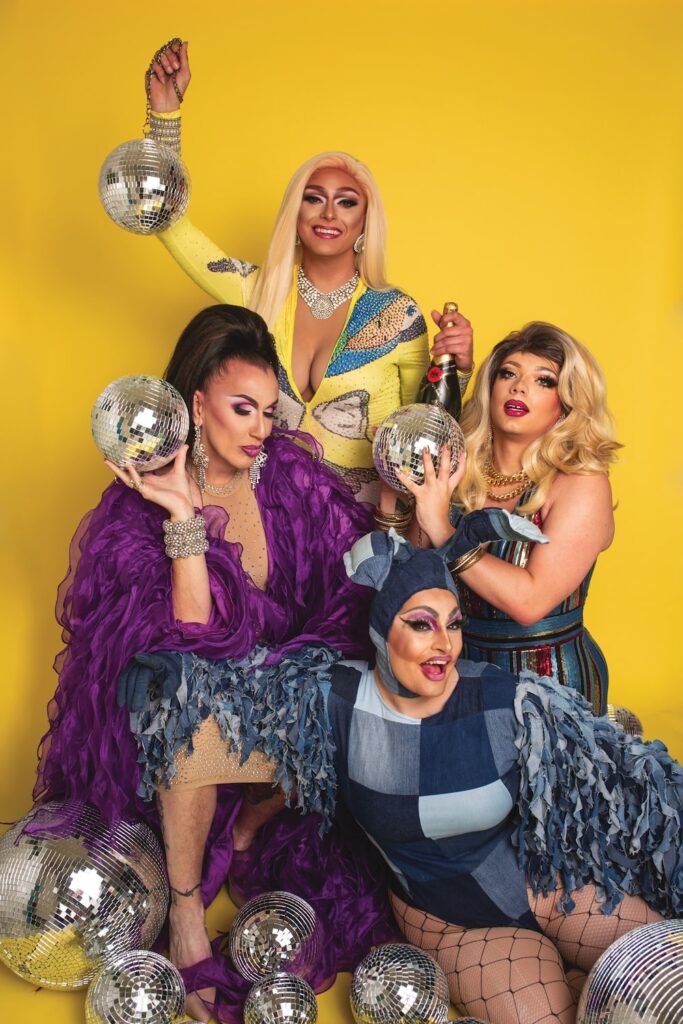
The longest-running drag tour in the United States is set to make its third of its three Florida stops tonight in Pensacola.
The first two performances in Orlando and St. Petersburg took place without any arrests, despite the state’s attorney general insinuating that the drag show production was illegal.
However, James Uthmeier, appointed by Governor Ron DeSantis in January, sent his warning letter only to the Pensacola City Council, not to city leaders in Orlando and St. Petersburg.
In November, Uthmeier sent a formal letter to the Pensacola City Council urging them to cancel “A Drag Queen Christmas” scheduled for Dec. 23 at the city?owned Saenger Theatre, arguing the council could block it as “injurious to the public health, safety, or general welfare.”
He tried to frame the show as an instance of anti?Christian persecution, alleging the city is using public property to endorse anti?Christian speech and suggesting this “may” amount to religious discrimination.
Earlier this month, Uthmeier sent the Pensacola City Council another warning on X, where he wrote a federal appeals court had cleared the way for Florida’s law “preventing children from attending sexually explicit drag shows,” adding “We’re watching, Pensacola.”
St. Pete’s Response
The Tampa Bay Times asked St. Petersburg council members how they would have handled a letter from Uthmeier—had he sent one to them.
“It’s an art form. Not all kinds of art appeals to all kinds of people,” council member Gina Driscoll told the Tampa Bay Times. “The beauty of art is that there is something for everyone.”
“The idea that we are going to cancel something because we don’t like it is such a violation of the First Amendment,” council member Richie Floyd told the Times. “All of this is an absurd conversation.”
He later added, “I’m a Christian. I’m not offended by (A Drag Queen Christmas) at all.”
“I’ve always enjoyed drag shows,” Driscoll said. “It’s a unique and wonderful form of performance art.”
Nina West
Inweekly interviewed the host of “A Drag Queen Christmas,” Nina West.
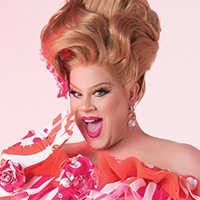
Rather than viewing the opposition as a legitimate critique, West sees it as a misunderstanding of both drag performance and the diversity of holiday traditions.
She draws a comparison between different celebrations, noting that some attend “The Nutcracker” while others prefer “A Drag Queen Christmas,” suggesting this variety has value.
West firmly rejects the characterization of her work as harmful or blasphemous, stating it serves as “a vessel for hope and joy” rather than something sinful. She sees the performance as reaffirming to audiences that they matter, especially during what she calls “the season of light.”
Read The Show Goes On