
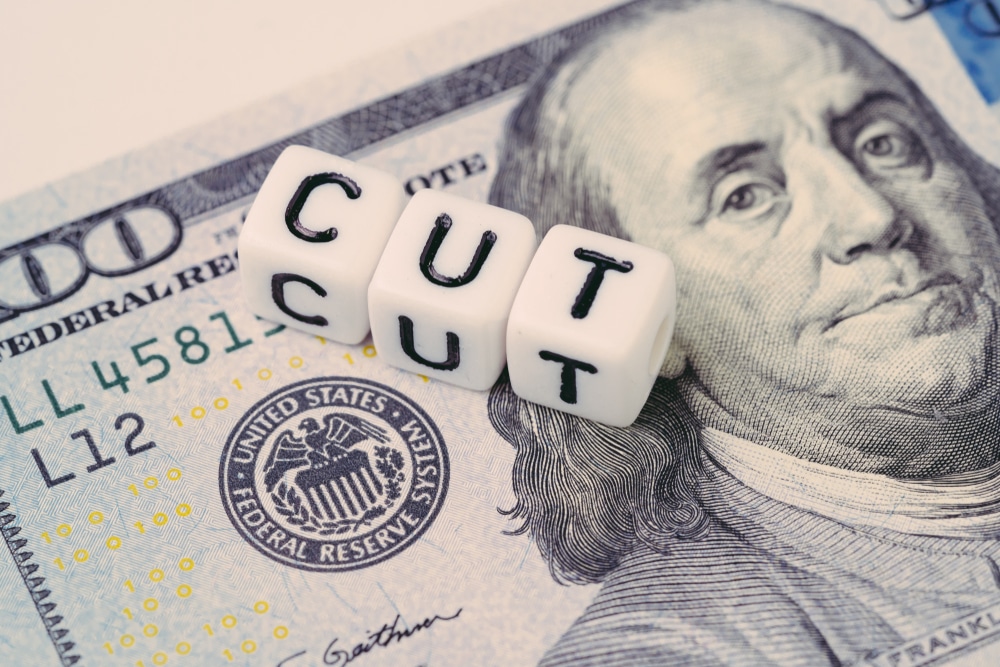
Florida’s legislative session has come and gone, and state lawmakers left Tallahassee without the one thing they’re constitutionally required to deliver: a balanced budget. State Rep. Alex Andrade (R-Pensacola) joined me on the podcast this week to break down what went wrong, what comes next, and why the Senate’s opening offer made compromise nearly impossible.
The Gap No One Could Close
At the heart of the budget failure is a simple but stubborn disagreement: what’s the top-line number? In Florida, the budget process begins with the governor’s proposed budget, followed by separate House and Senate proposals. From there, legislative leaders are supposed to negotiate down to a single agreed-upon spending target, which then gets divided into silos — healthcare, transportation, environment, agriculture and more.
The problem? The two chambers couldn’t get there.
- “Our proposed budget in the House was, I think, $113 billion. Theirs was, I think, $115 [billion]. And they came back and said, ‘Well, we’ll agree on a $116 billion budget.’ Well, you’re going in the wrong direction if that’s your offer,” Andrade said.
That gap between chambers might sound abstract, but Andrade was quick to correct any misconceptions: “No, it’s very much real money.”
COVID Cash Is Gone — And the State Is Feeling It
Andrade pointed to a broader fiscal reality that is reshaping how the House approaches the budget. Florida’s revenue surged in recent years, fueled by federal COVID relief dollars that have since dried up. The federal “One Big Beautiful Bill” also introduced new mandates requiring states to contribute more of their own funds to programs like SNAP and Medicaid.
- “Our budget has been inflated by things like COVID relief dollars from the federal government that are no longer there,” he said. “There’s a lot more liabilities on the state than our revenue is able to come up with. So we’re in a kind of a cutting position right now.”
Meanwhile, Florida’s job growth is lagging behind its population growth — a warning sign Andrade said the House is taking seriously while the Senate presiding officer “doesn’t quite see the world the same way.”
The Property Tax Fight Looms Large
The tax package has been another sticking point. One rare point of agreement: Florida will not piggyback off federal corporate tax cuts made under the new federal law, as doing so would have cost the state $3 billion in revenue it cannot afford.
But broader disagreements remain, particularly around Governor DeSantis’s push for a statewide property tax referendum. Andrade said the House’s view is straightforward: if the state is serious about cutting taxes, it should start with its own revenues.
“Those are revenues for other governments, not for our government. Shouldn’t we put our money where our mouth is and cut our own revenue?” Andrade said. That led the House to propose the largest sales tax cut in Florida history — a proposal the governor ultimately opposed, with the Senate following his lead.
What Happens Next — A Season of Special Sessions?
All bills that didn’t pass before Friday’s deadline are officially dead. Any policy going forward must be included in a formal special session call from the governor or the legislature.
Governor DeSantis has already called a special session for April 20th — but only for congressional redistricting. Other possible topics being lobbied for include vaccine policy changes, the property tax referendum, and, of course, the budget itself.
- “It’s an unlimited universe at the moment,” Andrade said, “and we’ll all find out at about the same time what policies will actually be taking up in the next few months.”
