
WORKFORCE DEVELOPMENT
The mayor’s workforce summit a few weeks ago pulled together the major players along the Gulf Coast—all wrestling with the same question: where are the trained, skilled workers going to come from for ST Engineering, for shipbuilding, for Birdon, for American Magic, and for the rest of the businesses racing to grow along the Gulf Coast?
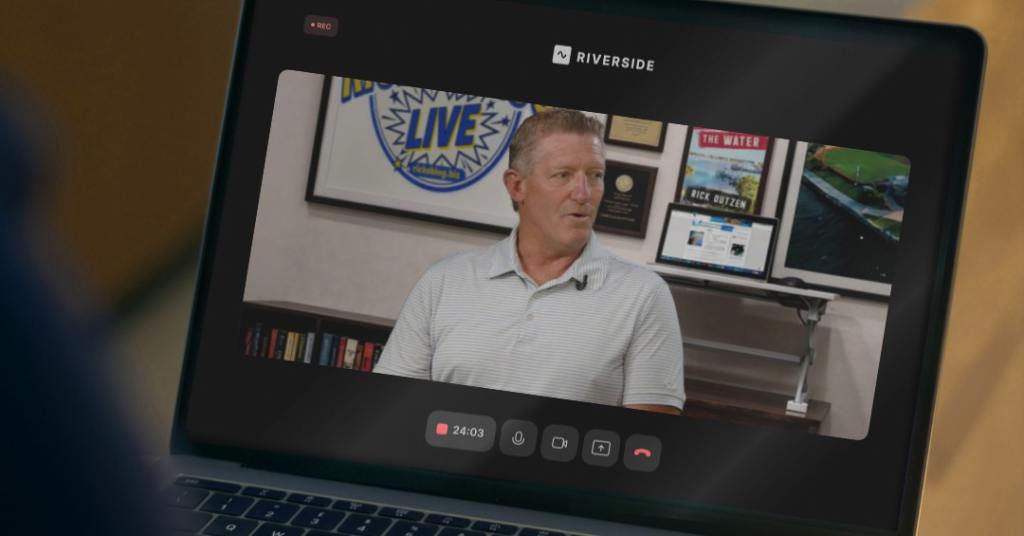
- Landrum has been in that fight for decades, and this week the staffing and HR firm put out a statement calling workforce development “a shared responsibility.” I sat down with Jim Howe, Landrum’s Vice President of Workforce Solutions, on Rick’s Blog Live to talk about what that actually looks like on the ground.
Howe breaks Landrum’s role into two levels:
- On the micro level, it’s the company’s bread and butter: helping individual businesses solve people problems, one hire at a time.
- On the macro level, Landrum sees itself as a connector—linking economic development efforts, education partners, private industry, and government so they’re all pulling in the same direction, not just for today’s workforce but for the one the region will need five and ten years from now.
Who’s getting it right
Asked which companies are ahead of the curve, Howe pointed to Birdon, which he said has already built out a talent development pipeline rather than waiting until a new facility is finished to start recruiting. That’s the trap Howe sees over and over: communities and companies break ground on a building, then scramble for workers only after it’s done — already behind before day one.
- Landrum’s view isn’t limited to Pensacola. The company works across the Southeast, including a heavy investment in the upstate of South Carolina, where Howe says the growth dynamics mirror what’s happening here in the Florida Panhandle.
It starts in middle school, not high school
Howe argues the education pipeline has to reach students far earlier than most communities assume:
- Career awareness needs to begin in middle school, and even elementary school, not high school
- Companies should be building “employer of choice” cultures — upskilling existing workers, not just recruiting new ones
- Programs like UWF’s Catalyst give students real, paid work experience in their field before graduation
- CareerSource Escarosa, trade schools, and community colleges offer apprenticeship and certification paths into new industries
COVID flipped the leverage. Howe said the pandemic pushed the labor market from employer-driven to employee-driven, and the companies succeeding now are the ones that responded—looking inward at their existing workforce, investing in upskilling, and building a visible culture that attracts people before they’re even job-hunting.
How to plug in
For anyone looking for work right now, Howe said Landrum typically has more than 100 open positions at any given time, searchable at landrum.com. He also pointed to CareerSource Escarosa, area trade schools, and community college apprenticeship and certification programs, along with grant programs available to people looking to learn a new skill or upskill in their current one.
