
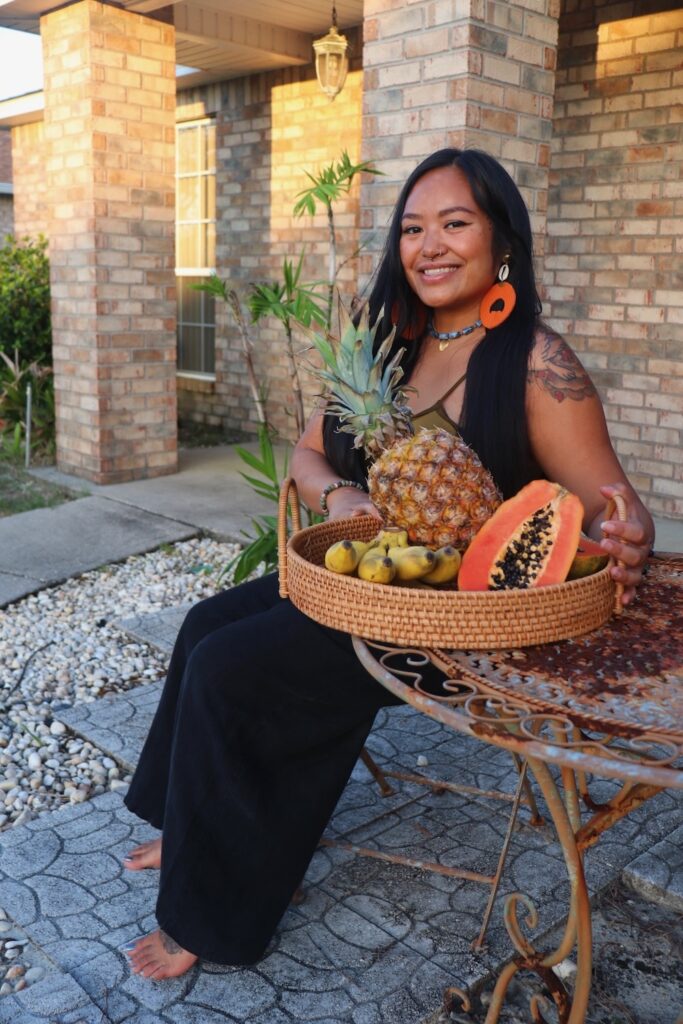
Pensacola’s beloved O.G. Lola’s has served its final dish. Chef Mary Dee Moralita announced this weekend that she’s permanently closing the food truck that has become a community staple, just two weeks after announcing plans to reopen following a six-month break.
- In a heartfelt message on Instagram to her followers, Chef Mary Dee opened with: “I want to express my deepest gratitude to the community of Pensacola and surrounding areas for endless support, energy, and love. There truly aren’t words that could ever amount to the appreciation I feel for each of you and every one of you who made this journey possible.”
Understanding the timing might surprise some supporters, she asked for compassion, reminding everyone, “I am a human being, not a human doing.”
The decision came after exhausting all options to make the food truck model sustainable. “Running a food truck is physically, emotionally and energetically demanding in all the ways you can imagine,” she explained. Ultimately, she felt constrained by the format: “I feel limited in this setting and that I have outgrown my desires to offer my food and creativity in this capacity.”
- Despite the closure, Chef Mary Dee emphasized this isn’t goodbye. She gave her supporterss a list of things to expect from her, including pop-ups at intentional events like Vegan Kamayans, sharing recipes and food-growing content, traveling to bring her cuisine to other cities, and launching her own line of sauces and botanicals.
Her message offered advice to other small business owners. “You owe no one but yourself. You are not a product. You are not here to simply produce or hustle until burnout.”
- The Pensacola food scene may be losing a food truck, but Chef Mary Dee’s culinary journey continues. As she promised, “Although this is the end of my food truck journey, OG Olas is forever.”
- She shared that O.G. Lola’s represented a deeply personal mission that extended far beyond the plate. Moralita explained, “O.G. Lola’s is vegan Filipino food for the soul.”
Operating as a pop-up catering business since 2019, she described her work as “kind of my way of healing myself, my community and my food culture from the inside out.” While she occasionally explored other cuisines like southern soul food, Filipino food remained her primary focus as “just a part of my personal decolonization journey,” helping herself and other Filipino youth reconnect with their cultural roots despite being far from their motherland.
Vegan Path
Moralita’s path to plant-based cooking required both patience and adaptation. After five years of research, she fully committed to veganism in 2017 after watching the documentary “What the Health.”
- Veganizing Filipino cuisine presented unique challenges since “Filipino food is so meat based” with “pork in everything from start to finish—like every step is some kind of pork fat or very meat-heavy dishes.” However, the increasing availability of specialty vegan products, including vegan spam, has made her culinary vision more achievable. While she’s occasionally faced “backlash, especially from the elders for not staying true to the traditional food culture,” her flavors speak for themselves, earning overwhelmingly positive feedback.
Through traditional Kamayan feasts—the word translates to “with hands” in Tagalog—Moralita shareed indigenous Filipino dining practices that predate Spanish colonization. These communal meals feature 12 to 20 dishes plated on banana leaves and eaten without utensils.
- As she described it, these gatherings “bring folks from all walks of life together, and to share a meal together and to just get back down to the basics of humans being nice to each other.”


If you like our reporting, consider buying us a cup of coffee – here. Your donation will help broaden our reporting. Thank you.