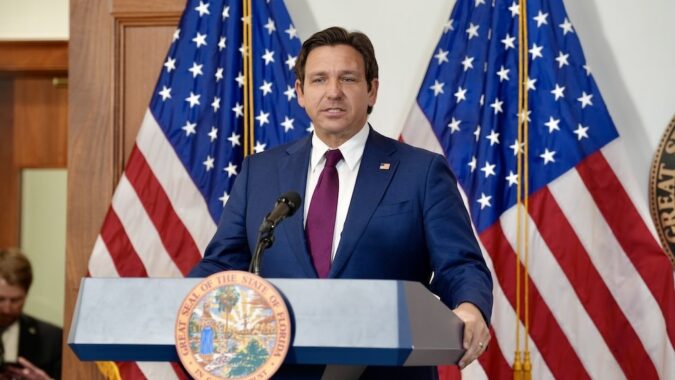
On Friday, June 27, Gov. Ron DeSantis exercised his executive authority by vetoing four bills that had previously passed through the Florida Legislature. His reasons for the vetoes were concerns about government overreach, leniency in criminal justice, and unnecessary bureaucracy.
Parole Reform Rejected Over Leniency Concerns
CS/CS/HB 181, which focused on parole reform, was vetoed despite passing with broad legislative support. The bill would have mandated the Florida Commission on Offender Review to consider self-help programming and education classes when making parole decisions.
Gov. DeSantis expressed concern that “this would likely result in making Florida’s parole system more lenient,” arguing that current law already allows consideration of these factors without requiring them to be weighted in decision-making.
Environmental Planning Bill Deemed Unnecessary
HB 295, which would have required the Department of Environmental Protection to develop a comprehensive waste reduction and recycling plan, was also vetoed. DeSantis justified this decision by stating the legislation was “unnecessary as it perpetuates a cycle of plans and reports without action” and fails to recognize that private sector innovation is already addressing waste reduction challenges.
AI Study Rejected as Outdated Before Implementation
HB 827, requiring a study on automation and artificial intelligence’s impact on employment, faced the governor’s veto pen due to concerns about the rapidly evolving nature of AI technology. DeSantis argued that such reports would likely become obsolete before publication, making state-funded studies ineffective in addressing dynamic technological changes.
Energy Infrastructure Bill Conflicts with State Policy
SB 1574, which would have created experimental rate mechanisms for renewable natural gas investments, was vetoed because it included provisions “inconsistent with state energy policy.” The governor opposed allowing utilities to bill ratepayers for capital investments in renewable natural gas and requiring consideration of green energy credits in utility rate reviews.