
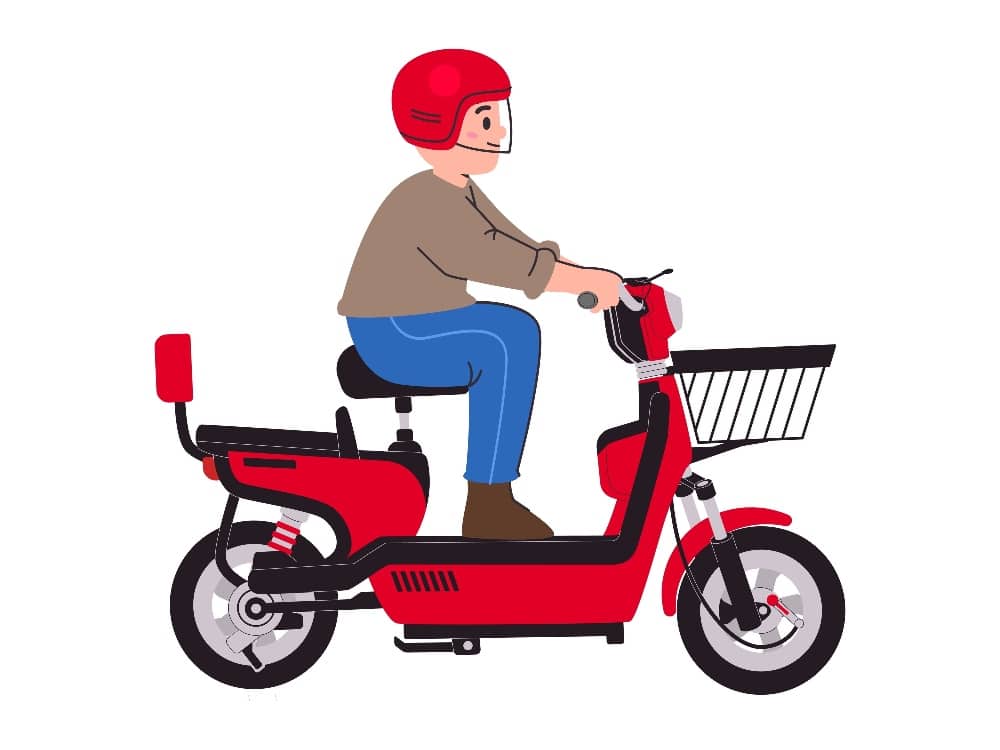
A bill that would put new rules on electric bicycle riders across Florida is heading to Gov. Ron DeSantis after passing both chambers of the Legislature without a single dissenting vote.
- Senate Bill 382 isn’t a sweeping crackdown, but it does mark a shift in how the state is thinking about e-bikes, and it gives the City of Pensacola some new tools to regulate how they’re used on local streets and sidewalks.
What Riders Will Have to Do
Under the bill, e-bike operators will be required to slow down to 10 mph whenever they are within 50 feet of a pedestrian on a sidewalk or shared pathway. They’ll also have to give an audible warning before passing a pedestrian, such as a bell, a horn or a vocal heads-up.
- Ignore those rules? You could be ticketed, with the violation treated similarly to a non-moving traffic offense.
What This Means for Pensacola
The Florida law does not preempt local governments from adopting their own ordinances governing the operation of e-bikes on streets, highways and sidewalks within their jurisdictions. That means the City of Pensacola has the authority to go further than the state baseline if it chooses — setting its own rules for speed, signage, or designated riding areas on city-controlled corridors.
- There is a limit, however. Local governments cannot restrict or prohibit e-bike use on bicycle paths, multi-use paths or trail networks. So while the city can regulate behavior on its streets and sidewalks, it can’t simply ban e-bikes from shared trail systems.
More Data, More Oversight
The bill also targets the lack of data on e-bike crashes. The Florida Highway Patrol, county sheriff’s offices, and municipal police departments, including the Pensacola Police Department, will be required to compile crash data involving electric bicycles. That data must include whether the operator held a driver’s license, the operator’s age, and the vehicle’s class.
The Basics: What Counts as an E-Bike
Under Florida law, an electric bicycle is defined as a vehicle with pedals, a seat, and an electric motor with a power output of less than 750 watts. Currently, e-bike operators are not required to hold a driver’s license or register their vehicles — the state treats them the same as traditional human-powered bicycles. SB 382 doesn’t change that classification, but it does begin layering on new behavioral requirements.
Bottom Line
SB 382 passed the Senate on February 25 and cleared the House unanimously this week. With bipartisan support and no opposition, it’s almost certain to be signed into law.
For Pensacola, the practical takeaway is twofold: riders on shared paths will have new legal obligations to slow down and warn pedestrians, and the city has a clearer green light to craft its own local ordinances — at least for streets and sidewalks — as e-bike traffic continues to grow.
Source: The News Service of Florida