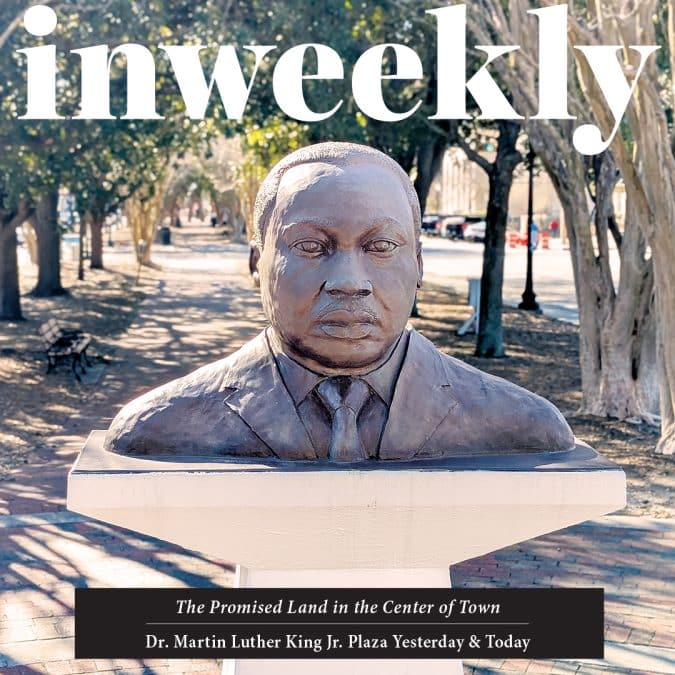
 The Promised Land in the Center of Town
Most Pensacolians know the three-block stretch of Palafox as simply “the plaza” — a weekend gathering spot for vendors, tourists and the Palafox Market. But the story of how Dr. Martin Luther King Jr. Plaza came to be is one of grassroots determination, bucket-by-bucket fundraising, and a dream that was never fully finished. From Mayor Vince Whibbs marching down from City Hall to make a personal plea on live radio, to a Mobile DJ who drove across the state line to rally his own listeners, the effort to place a bust of King in the heart of downtown Pensacola brought together an unlikely coalition — and tested the community’s commitment to honoring the civil rights leader’s legacy.
Writer C. Scott Satterwhite traces the plaza’s full arc, from the founding of the MLK Commemorative Celebration Commission in 1987 through the repeated vandalism — including nooses hung around the statue’s neck — to the decades of activism the space has hosted, from Iraq War vigils to Occupy encampments to recent protests against ICE killings. Along the way, the people who built the plaza ask a question worth sitting with: Has Pensacola forgotten what the name on that park actually means? Read Dr. Martin Luther King Jr. Plaza Yesterday and Today
Outtakes—Pay the Man
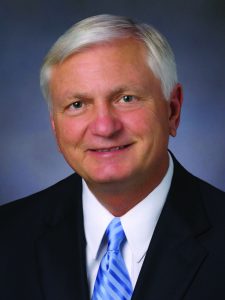
When four Pensacola State College trustees voted against giving President Ed Meadows a raise — despite strong performance evaluations — it raised an obvious question: What exactly does it take to earn a vote of confidence? Under Meadows’ leadership since 2008, more than 90% of PSC students graduate debt-free, enrollment has grown even as community colleges nationwide are shrinking, and the college has quietly become the region’s workforce development backbone, building programs in aviation maintenance, cybersecurity, and healthcare management that are directly tied to real employer demand.
In this week’s column, I look at the record Meadows has built over nearly two decades — from partnering with ST Engineering and Leonardo Helicopters to launching a charter academy that’s gone from 42 students to 209 with consecutive “A” grades from the state. The numbers tell a clear story about what PSC has become for working families in Northwest Florida, making the trustees’ decision harder to explain. Read Pay the Man.
Land Trust Tackles Housing Crisis
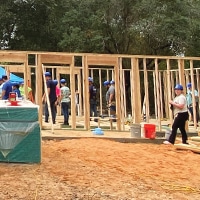 When Tom and Michelle Sayles went looking for a house after a life-threatening illness forced them out of their RV, they hit the same wall thousands of Northwest Florida families know too well — even a Habitat for Humanity home was out of reach on disability income alone. What they found instead was a new model that could reshape how the region thinks about affordable housing: the Northwest Florida Community Land Trust.
Habitat launched the local land trust in January 2025, and all nine initial homes were claimed within six months. Now the program is outpacing traditional Habitat home sales, with expansion talks underway in Okaloosa and Walton counties. Reporter Tom St. Myer breaks down how the model works, why local government buy-in and a $1.3 million state landbank grant have given it early momentum, and what Habitat CEO Sam Young calls the “funnel problem” — the region keeps building affordable homes, but market forces keep pulling them out of reach. It’s a story about whether Northwest Florida has finally found a way to make affordability stick. Read Land Trust.
A Symphony of Icons
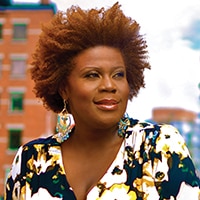 Whitney. Diana. Stevie. Aretha. You only need the first names — and this Saturday night at the Saenger Theatre, Broadway vocalist Capathia Jenkins and three-time Grammy-nominated artist Ryan Shaw will bring those voices to life backed by the full Pensacola Symphony Orchestra. Their touring production “Icon: The Voices That Changed Music” pairs the songs that defined American pop and soul with orchestral arrangements and personal storytelling, from Jenkins’ lifelong love of Natalie Cole’s “This Will Be” to Shaw’s account of meeting Stevie Wonder for the first time.
PSO Music Director Peter Rubardt calls it the best setlist he’s ever seen, and Jenkins promises something far from the buttoned-up symphony experience some might expect. Writer Savannah Evanoff talks with Jenkins and Rubardt about how the show was born out of an Aretha Franklin tribute tour, why earning the ballads means starting with pure energy, and what it takes to channel icons like Whitney Houston and Patti LaBelle in a single performance without imitating any of them. Tickets start at $31.50 — and Jenkins says to bring your dancing shoes. Read more.
Check out the entire issue here.




Appreciate you spotlighting the NWFL CLT. This is certainly an admirable organization needed in our community.
Would be really great if you could dive deeper into why there has been no progress at the old Malcolm Yonge site for the last several years since the CLT took ownership. What’s been going on?