
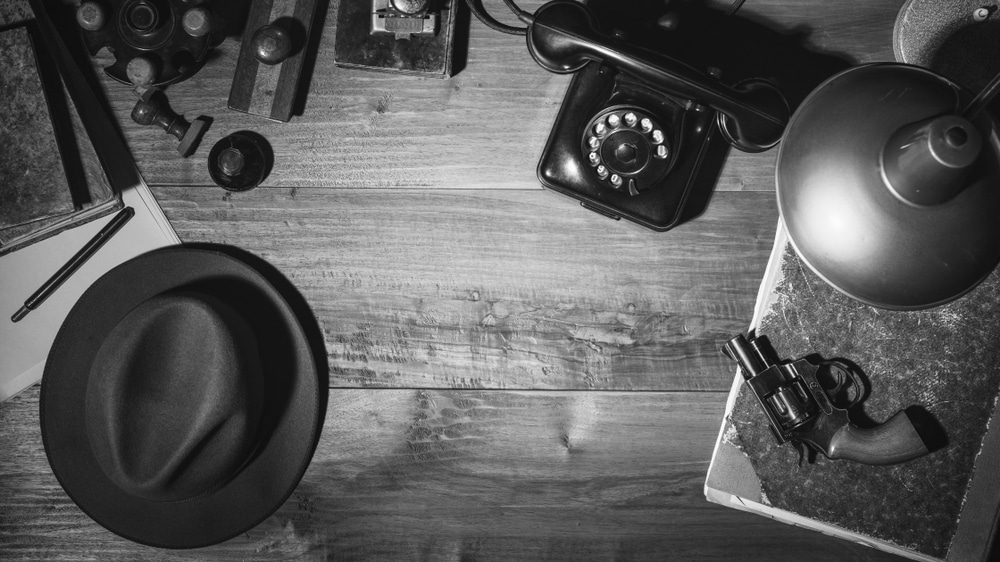
What if I told you that some of America’s greatest literature was born not in ivy-covered universities or prestigious publishing houses, but on the magazine racks of corner drugstores? In the latest episode of “(We Don’t) Color On the Dog,” we uncovered this hidden literary history with Dr. David Earle, Dean of the UWF College of Arts, Social Sciences, and Humanities, who traced the DNA of modern American fiction back to pulp magazines in early 1900s.
These cheap, wood-pulp publications were designed to be read and thrown away—perfect for commuters killing time on trains. Readers devoured stories that became the foundation for American modern literature.
From Tarzan to The Maltese Falcon
Earle reveals how legendary characters like Tarzan, Zorro, and Doc Savage first appeared in these magazines, alongside the hard-boiled detectives who would inspire Humphrey Bogart’s most iconic roles. The urban anti-heroes, femme fatales, and snappy dialogue we associate with crime film noir? Think of the “Maltese Falcon” and “The Big Sleep.” All born in the pages of magazines like “Black Mask”, where Dashiell Hammett honed his craft.
- Earle shares how these publications influenced Ernest Hemingway’s tight prose style. The future Nobel laureate cut his teeth reading pulp fiction as a teenager, and even wrote formulaic pulp stories before finding his literary voice. That crisp, punchy dialogue Hemingway has roots in the same magazines that gave us Sam Spade.
Authors like Hammett successfully straddled both worlds, creating works that were simultaneously thrilling page-turners and sophisticated art.
- The discussion even ventures into etymology, revealing how Hammett’s use of Yiddish slang in “The Maltese Falcon” accidentally created a new English word—a perfect example of how popular culture shapes language itself.
Local Connections
For Pensacola listeners, there’s an added bonus: Earle discusses an upcoming panel featuring three local crime writers, Mike Papantonio, Corbett Davis and me, exploring why this Gulf Coast city has become a surprising hub for mystery fiction.
- Whether you’re a literary scholar, a fan of detective stories, or simply curious about how America’s modern literature developed, this episode offers insights that will change how you see the relationship between entertainment and art. Sometimes the most profound influences come from the most unexpected places.
