
Workforce
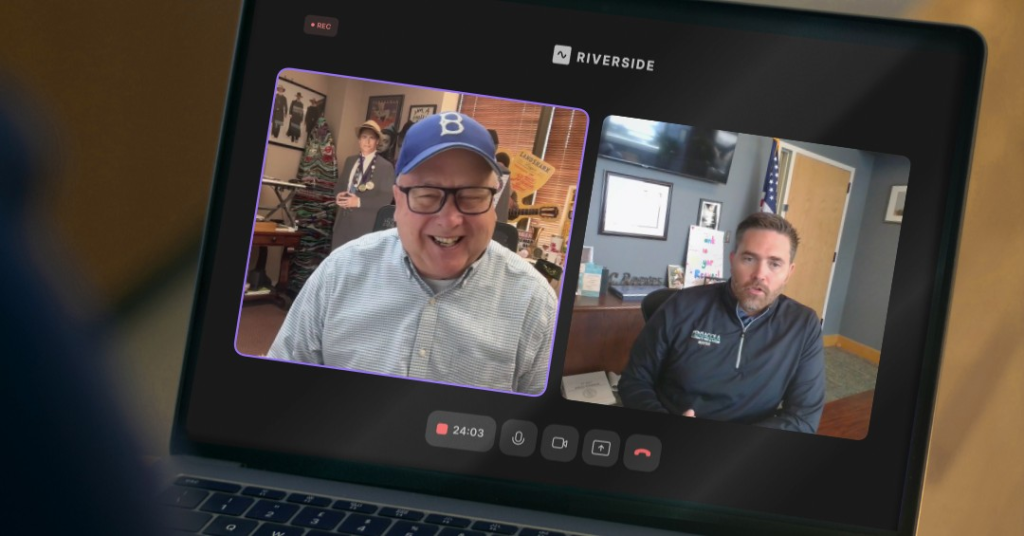
Pensacola Mayor D.C. Reeves joined me on We Don’t Color on the Dog this morning to preview Wednesday’s Workforce Summit. As of Monday, 53 stakeholders had confirmed for the meeting, and the region is staring down how to fill 3,700 shipbuilding and maritime jobs with locals— a staggering figure for a city of 55,000 people.
The list of confirmed attendees reads like a who’s-who of workforce development, both local and statewide:
- CareerSource EscaRosa
- University of West Florida
- Pensacola State College,
- Northwest Florida State College
- George Stone Technical College
- The Escambia County School District
- Florida Commerce Secretary Alex Kelly
- Birdon America
- ST Engineering
- Austal USA
- American Magic
Cutting training time is priority one. Reeves said his biggest focus coming out of the summit is finding ways to shrink certification programs that currently take nine to twelve months down to a matter of weeks, pointing to best practices from other parts of the country.
“Would you like to take a year off from your job or work in two jobs to try to support your family… that just isn’t really effective,” Reeves said, describing the barrier facing workers who can’t afford to pause their income for a year of training.
Breaking down the silos is priority two. Reeves wants the private sector to stop training in isolation and instead pool resources—what he called a “culture of abundance, not a culture of scarcity”—so ST, Austal, American Magic and others invest collectively rather than competing separately for the same trainees.
What the city’s role actually is. Reeves was clear that City Hall isn’t positioning itself to run job training programs. Instead, he sees the mayor’s office using its convening power to get competing institutions and companies in the same room, then stepping back to let subcommittees of colleges, technical schools and high schools carry specific tactics forward.
- He’s also weighing whether the city needs a dedicated staffer devoted solely to workforce development, similar to how a grants office or economic development role has worked in the past — though he stressed that decision hasn’t been made yet.
Why it matters. Reeves pointed back to the workforce shortfall that surfaced a few years ago at ST Engineering, when it became clear many of the jobs weren’t going to local workers, not because the jobs weren’t available to Pensacolians, but because the workforce pipeline wasn’t built to get them there.
As shipbuilding scales up the entire Gulf Coast, from Pascagoula to Bay County, Reeves wants Pensacola’s training pipeline ready before the jobs go elsewhere.
