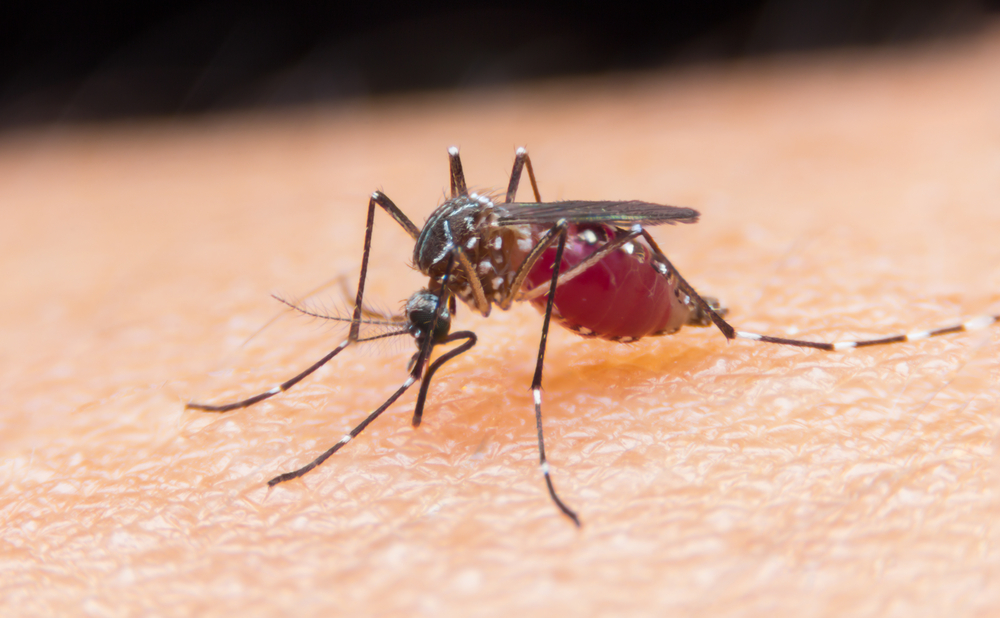
Mission sent out by UWF to facility and students: Due to a case of Zika fever recently confirmed in Santa Rosa County, the University of West Florida has been closely monitoring potential effects of the illness.
According to the Centers for Diseases Control and Prevention (CDC), Zika fever is a mild illness caused by a mosquito-borne virus. Signs and symptoms of Zika fever may include: acute onset of low-grade fever, rash, joint pain, conjunctivitis (reddening of eye), body aches, headache, eye pain and vomiting. However, only 18 percent of those infected have symptoms and there have been no severe disease complications, hospitalizations or deaths from this virus other than the concern for the health of babies born from infected women.
This week, the Florida Department of Health reported six new travel-associated cases of Zika in the state. Florida has reported a total of nine travel-related cases to the federal government. One of those cases was in Santa Rosa County. In the U.S., there have been 36 confirmed cases. The vast majority are associated with individuals that have returned home after recently traveling to countries currently experiencing outbreak. Given the spread of the Zika virus and nature of transmission, the University of West Florida is closely monitoring Zika virus updates. Travelers to Zika-affected areas should follow the precautions and guidelines for Mosquito Bite Prevention for Travelers published by the CDC. See http://www.cdc.gov/zika/.
Regardless of whether or not you are traveling to a country undergoing a Zika outbreak or at home working in your yard, there are precautions that can be taken to protect yourself from mosquito bites. Mosquitoes can carry more diseases than just Zika. These protection efforts should include the “5 Ds†for prevention of exposure to area mosquitoes.
Dusk and Dawn – Avoid being outdoors when mosquitoes are seeking blood. For many species, this is during the dusk and dawn hours, especially when the light is changing in the evening or morning sky.
Dress – Wear clothing that covers most of your skin. This includes long sleeves, pants, shoes and socks.
DEET – When the potential exists for exposure to disease-carrying insects and ticks, repellents containing DEET are recommended. Picaridin and oil of lemon eucalyptus are other repellent options. Look on the labels for active ingredients.
Drainage – Check around your home to rid the area of standing water, which is where mosquitoes can lay their eggs and raise their young. Some places to be extra vigilant are birdbaths, pet dishes, boats and flower pots that catch water in trays underneath.
For more information on the University’s Mosquito Control Program, call Peter Robinson at 850.474.2435 or Pennie Sparks at 850.474.2177 or visit http://uwf.im/mosquitoprogram.