CITY HALL
Reeves Brings Juvenile Curfew Ordinance to City Council Aug. 13
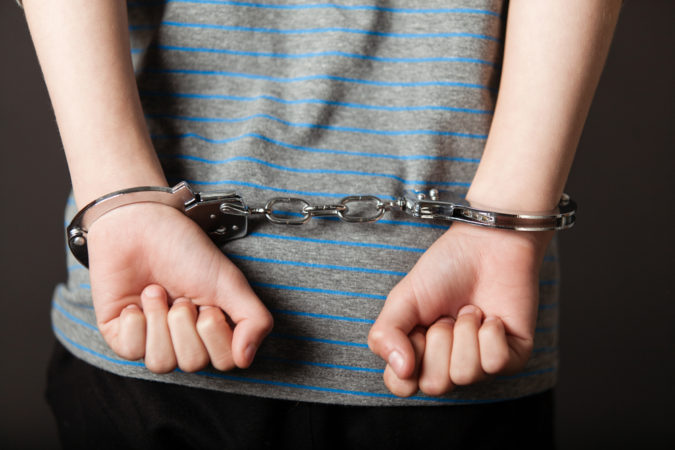
Proposed Ordinance No. 14-26 would set an 11 p.m. curfew on weeknights and midnight on weekends for anyone under 18, with escalating fines for minors and their parents.
Mayor D.C. Reeves will bring his long-promised juvenile curfew ordinance to Pensacola City Council on Aug. 13, more than a month after a Fourth of July weekend shooting on Palafox Street left 19-year-old Phillip Sheppard Jr. dead and six others injured.
Proposed Ordinance No. 14-26 would create a new Chapter 8-3 in the city code, titled the “Juvenile Curfew Ordinance,” applying to anyone under 18. Reeves has said repeatedly since the shooting that “downtown is not your babysitter,” and city attorneys have spent the weeks since drafting language they believe can withstand a legal challenge while giving police a tool to clear the streets of unsupervised minors. Read Proposed Ordinance No. 14-26
The Hours
The ordinance sets two curfew windows for minors in any public place or establishment:
- Sunday through Thursday: 11 p.m. to 5 a.m., except on legal holidays.
- Fridays, Saturdays, and legal holidays: 12:01 a.m. to 6 a.m.
A separate provision targets minors who have been suspended or expelled from school: they may not be in a public place, in an establishment, or within 1,000 feet of a school between 9 a.m. and 2 p.m. on any school day.
Who’s Exempt
The ordinance carves out a long list of exceptions, designed to avoid sweeping up teenagers coming home from work, church, or the movies. A minor is not in violation if they are:
- Married or emancipated by a court.
- Accompanied by a parent, or by another adult 21 or older with parental permission.
- Responding to or fleeing an emergency.
- Coming from or going to a First Amendment-protected activity, with adult supervision and written parental permission.
- Going to or from a job.
- Returning directly home from a supervised school, religious, or civic function with written parental permission.
- On the property of their own home or a consenting next-door neighbor’s.
- Engaged in interstate or bona fide intrastate travel with parental consent.
- At an event sponsored by a theme park or entertainment complex.
A minor stopped by police must identify which exception applies and provide any verification “reasonably requested,” though the draft allows brief stops for gas or a restroom without penalty.
Penalties Escalate
First-time offenders get a break. A minor caught violating the curfew for the first time receives only a written warning. A second violation becomes a civil infraction carrying a $100 fine; a third or subsequent violation jumps to $250. Officers retain the authority to arrest a minor if the facts on the ground call for it.
- Parents and guardians face their own escalating scale, separate from the minor’s: a written warning for a first offense, a $250 fine for a second, and $500 for a third or subsequent violation. The ordinance spells out an affirmative legal duty for parents to supervise their children or arrange supervision, but it also builds in defenses; a parent who filed a missing-person report, or who reasonably had no knowledge their child was out, is not considered in violation.
“This is the ability that if we start to see minors unaccompanied by adults are out in the city and causing issues that is impacting public safety, that it gives the avenue for our first responders and our police department the option to address it.” — Mayor D.C. Reeves
How a stop would work
Under Section 8-3-7, an officer who suspects a curfew violation must first ask the person’s age and reason for being out, then attempt to verify that information through the parent or guardian. If a minor is taken into custody, they’re to be transported to a police facility or to a partnering religious, charitable, or civic organization running a curfew program. The agency then has to make a reasonable effort to reach a parent; if that effort fails after two hours, officers may take the minor home or proceed under the state’s child-welfare statutes in Chapter 39.
Timeline to the vote
The push for a curfew began within days of the July 5 shooting. Pensacola Police Chief Eric Winstrom said officers responded to roughly 20 fights and made nine arrests, ages 14 to 22, in the hours before gunfire broke out downtown. Reeves said publicly he’d back a curfew “last week, last month, last year,” and by mid-July confirmed his office was working with the city attorney on a draft. He originally floated a possible September deadline; the ordinance now heads to council a few weeks ahead of that.
- If approved on first reading Aug. 13, the ordinance would still need a second reading before taking effect and would become law on the fifth business day after adoption under the city charter.




Two weeks ago, PPD PIO Mike Wood told Pensacola Morning News host Andrew McKay that enforcement of the Juvenile Curfew Ordinance would “not” impose a manpower burden on the PPD. Last week, Police Chief Winstrom told McKay the same. McKay seemed skeptical. In other communities with such ordinances, what is the cost to enforce them? Much of the problem seems related to alcohol. The Pensacola City Council has legally declared about 30% of the city to be “blighted.” The Council has the power to set the hours for alcohol sales. How about limiting the hours for alcohol sales in all “blighted” areas to end sales at 10 pm?